Since the early 2000s, electric vehicles have seen a dramatic increase in popularity as more people opt for eco-friendly transport alternatives. In tandem, the need for EV charging infrastructure has risen dramatically and is a sign of the need for a deeper comprehension of EV charging processes. What exactly is EV charging and how exactly does it work.
EV charging is essentially the process of charging an electric car’s battery by using electricity. It is similar to that of refueling an automobile using gasoline. However, EVs don’t use combustion fuels. Instead, they use the electricity stored in batteries to power electric motors.
Understanding the various charging options is crucial to EV charging. Each charging method has its distinct charging speed and can be used with various cars. Let’s look at the various options available:
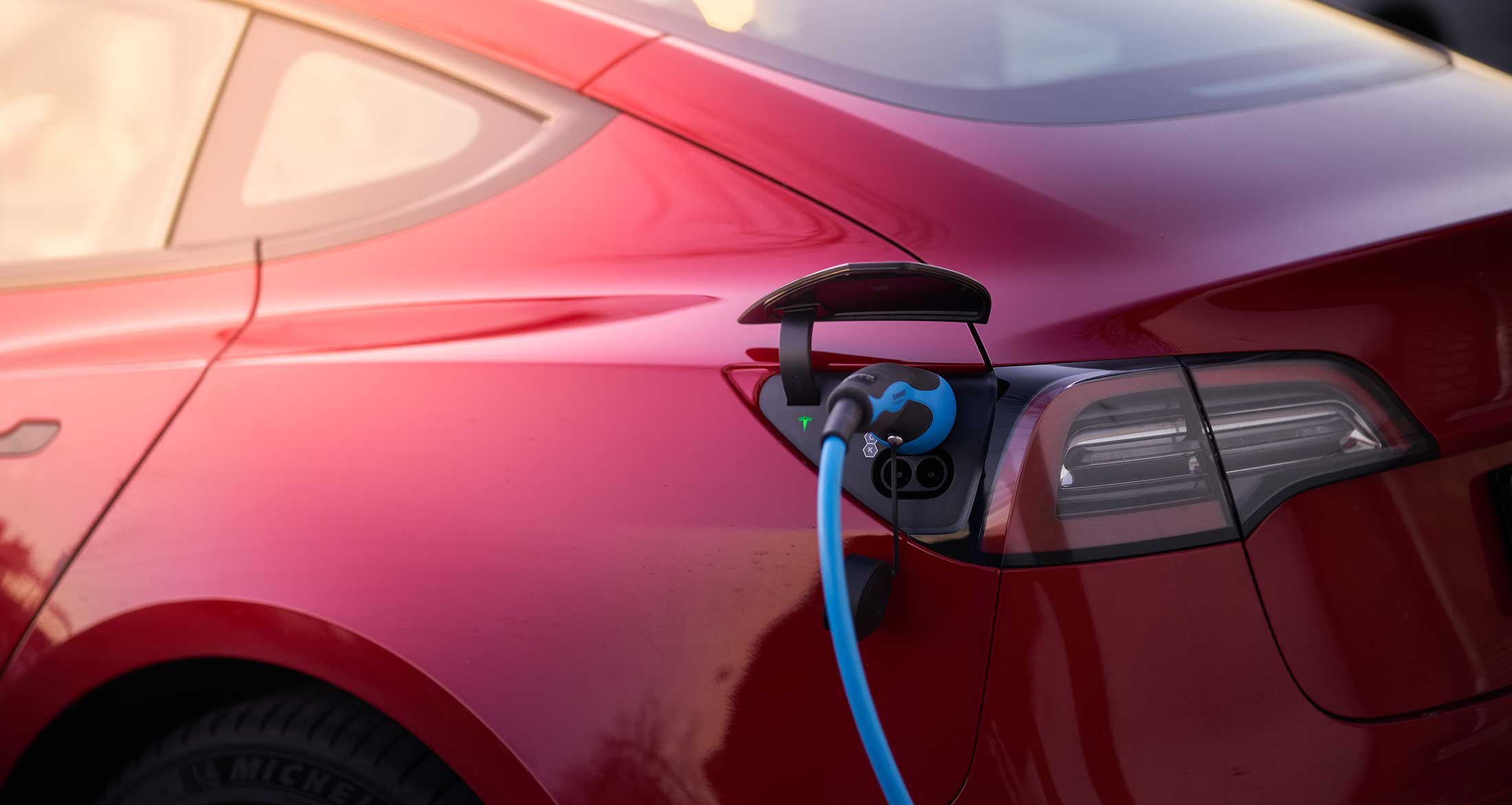
Level 1 Charging. It is the most basic way of charging an EV. It typically uses an electrical outlet from a household (120 Volts). Although convenient, level one charging is slow and may take several hours to charge an electric vehicle. It is often used as an overnight charger. To know more, click Electric Vehicle Charging Comprehensive Guide
Level 2 Charging: This charging technique operates at a higher voltage than level 1. (typically 240 Volts) and offers faster charging rates. It is typically found in workplaces and residential areas equipped with EV charging equipment. Level 2 chargers permit overnight charging and are more efficient than level 1.
DC Fast Charging: Also known as level 3 charging, DC fast charging provides the fastest charging speeds among the three choices. It is able to charge EVs at 80% or higher in a short period of time. DC fast chargers may be found in highways, commercial areas and major travel routes. This makes them perfect for long-distance travel and fast recharges.
Understanding these charging options is essential to EV owners in order to make informed decisions regarding when and where they will charge their cars. EV charging is affected by factors such as charging speed, convenience of charging and the availability of charging stations.
EV charging stations are changing how we view refueling. Traditional gas stations are being supplemented, and in some cases substituted by EV charging stations which reflect the shift towards a cleaner, more sustainable transportation ecosystem.
The ease of charging in the comfort of your home is a dream for many EV drivers. Installing a level 2 home charging station allows you to charge your vehicle at night without hassle and ensures that it is fully charged by morning. Additionally, home charging provides cost savings and reduces the need to visit public charging stations frequently.
The infrastructure for charging publically, however, remains important, especially for people who travel for far distances and don’t have home charging options. The growth of public charging networks, coupled with advancements in charging technology, is making electric vehicle ownership increasingly feasible and accessible to a broader range of consumers.
Furthermore the integration of the EV network of smart chargers as well as renewable energy sources opens up exciting new possibilities in terms of grid optimization and sustainable. We can cut down on carbon dioxide emissions and fossil fuel dependence through the use of renewable energy sources to charge electric vehicles, such as wind or solar energy.
EV charging, as a result is an essential element of operating an electric automobile. By understanding the various charging options and the evolving technology for charging, EV owners can maximize the efficiency, convenience, and longevity of their driving experience. With the growing acceptance of electric vehicles and renewable energy sources, the future looks promising for the future of transportation.